…NEITI, Global Rights, Lawmaker, Civil Society Demand Urgent Mining Reforms or Risk National Collapse
By Joy Odor, Abuja
Nigeria’s buried treasures are fast becoming its bleeding wounds. A blistering new report, Violent Earth: Mineral Governance and Endemic Insecurities in Nigeria, has exposed how the nation’s vast mineral wealth is fueling violence, terrorism, corruption, and environmental ruin, turning what should be a blessing into a curse.
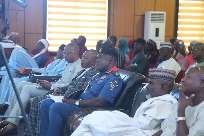
Presented at the 5th West African Mining Host Communities Indaba in Abuja on Wednesday, the research by Global Rights lays bare the deadly nexus between illegal mining, criminal cartels, weak regulation, and state complicity.
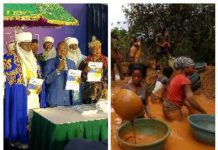
From Zamfara’s goldfields to Kogi’s limestone quarries, communities are drowning in poisoned rivers, abandoned on degraded lands, and trapped in spiraling insecurity.
“Where there is mining, there is violence,” warned Abiodun Baiyewu, Executive Director of Global Rights. “Children are dying, rivers are poisoned, and lands are lost. Communities are being sacrificed for wealth they will never see.”
Key findings from the report indict Nigeria’s mining sector as a hub of chaos and bloodshed:
Illegal artisanal mining, driven by poverty and foreign actors, has exploded beyond control.
Organized crime and terrorism are being bankrolled by proceeds from stolen minerals.
Weak federal oversight and corrupt licensing have turned farmlands into wastelands.
Communities are excluded from decision-making, igniting conflicts and displacement.
Women bear the brunt of exploitation, suffering sexual violence, exclusion, and deepened poverty.
Political protection for cartels points to state capture of the mining sector.
The research concludes bluntly: unchecked mining is no longer just an environmental disaster but a direct national security threat.
In a fiery keynote, Dr. Orji Ogbonnaya Orji, Executive Secretary of the Nigeria Extractive Industries Transparency Initiative (NEITI), warned that the country has reached a breaking point.
“Our mining laws are relics. Our institutions are weak. Our communities are abandoned while our minerals are stolen. This cannot continue,” he thundered.
Quoting NEITI’s data, Orji revealed that despite hosting over 44 mineral types in 500 locations, the sector contributed only ₦401.8 billion in 2023, just 0.83% of GDP.
“This is unacceptable in a country sitting on a mountain of wealth,” he charged. “If we fail to act boldly now, others will use our minerals to power the green future while our own communities remain in poverty and devastation.”
Orji demanded:
New mining laws fit for modern realities.
Digitalized licensing and strict enforcement.
Community development funds for schools, hospitals, and infrastructure.
Environmental protections to halt poisoned rivers and degraded lands.
A National Mining Council at the political apex within 12 months.
“This is not another talk shop,” he warned. “No more lamentations, no more empty promises. The time to reform is now.”
The Indaba theme, “The Intersection of Green Mining and the Right to Free, Prior and Informed Consent (FPIC),” resonated as lawmakers, chiefs, and activists demanded a radical shift in mining governance.
The Chairman, House of Representatives Committee on
Solid Minerals, Hon. Gaza Jonathan Gbefwi declared:
“Mining cannot continue to be measured only in tons of ore and billions of naira. The true measure must be whether it uplifts the people who live on the land. No community should pay the price of poverty for sitting on riches.”
The Lawmakers’ blueprint called for:
Guaranteed land rights for host communities.
Mandatory FPIC before any project begins.
Benefit-sharing frameworks to fund schools, hospitals, and jobs.
Environmental accountability with binding penalties for damage.
Legal recourse for exploited communities.
“The time for voluntary corporate social responsibility is over,” the lawmaker insisted. “What we need now is binding legislation that guarantees justice.”
With delegates from Ghana, Guinea, Sierra Leone, and across Nigeria in attendance, the Indaba resounded with a singular warning: mineral wealth must not become a continental curse.
From Zamfara’s lead poisoning deaths to Liberia’s devastated lands, from Kogi to Sierra Leone, the stories are the same, children buried before their time, rivers turned toxic, lands stripped bare, while corporations and political elites enrich themselves.
“The promise of a greener world must not come at the expense of the people whose heritage is being traded under the guise of energy transition,” Baiyewu declared.
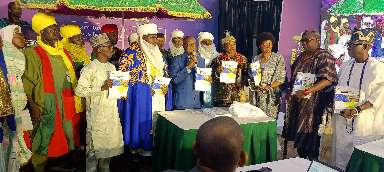
As limited copies of Violent Earth circulated at the launch, one truth echoed louder than the applause:
If Nigeria and West Africa do not reform their mining governance, minerals will keep bleeding communities dry, funding crime, fueling terror, and destroying futures.
But if they act now, rewriting laws, empowering communities, enforcing accountability, then the same minerals could finally power prosperity, justice, and hope.
“The future of our mining sector depends on one truth,” the lawmaker concluded. “Minerals must no longer bleed us to death, they must give life.”