By Joy Odor
The Minister of State for Education, Dr. Suwaiba Said Ahmad has highlighted education as a transformative tool that offers hope and reintegration for incarcerated women.
According to her, Education is not merely a tool for personal development but a lifeline that can open doors to independence and self-reliance.
The Minister informed that many women in detention face significant economic and social challenges that often lead to repeated cycles of criminal behavior.
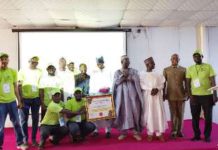
The Minister who made this known at the Women in Custody – Rehabilitation and Reintegration Workshop and 30 years Anniversary, with the theme: “Advancing Justice, Peace and Development Transforming Lives, Shaping Future” on Monday held at the Abuja Continental Hotel called for greater efforts to ensure the dignity, support, and opportunities necessary to help these women rebuild their lives.
She underscored the dual importance of formal education, which equips women with literacy and numeracy skills, and informal education, which focuses on vocational training and entrepreneurial competencies in rehabilitating women in detention.
Dr. Ahmad also advocated for a holistic approach to rehabilitation, stressing the need to address the unique challenges faced by women in detention, including trauma, healthcare, and family connections
She reiterated the government’s commitment to gender-sensitive rehabilitation programs, which align with the Renewed Hope Agenda of President Bola Ahmed Tinubu.
The Minister challenged individuals and organizations to support correctional education programs tailored to the needs of women, emphasizing that these initiatives should promote both immediate rehabilitation and long-term reintegration into society.
Dr. Ahmad commended the organizers of the workshop for fostering dialogue and collaboration among stakeholders, adding that the event marked an important step toward empowering women in detention.
“Rehabilitation must encompass physical and mental health, family support systems, and social reintegration. It is an investment in humanity, not an act of charity,” the Minister said.
“Skills acquisition is essential for economic empowerment and reintegration. By equipping women with marketable skills, we not only empower them but also strengthen their families and communities,” she stated.
“Let us continue to advocate for policies and partnerships that enable these women to realize their potential and contribute meaningfully to society” she noted.

In her address, Dr. Uju Agomah, the CEO of PRAWA, shared the origins of the organization, affirming that It was during this time that she conducted research on the socio-demographic characteristics of people in detention, which exposed the urgent need for society to address the plight of those incarcerated.
She maintained that the realization, combined with her studies in criminology at Cambridge, spurred her to establish PRAWA—Nigeria’s first independent organization dedicated to prison reform, research, and advocacy.
Dr. Uju emphasized that Nigeria needed an organization that could not only conduct research but also advocate for change, build capacity, and address the root issues affecting those in detention.
“Today’s events, which serve as the precursor to the international conference set to begin tomorrow, include a range of programs designed to tackle the broader issues of prison conditions, human rights violations, and rehabilitation. One key initiative is training health workers and legal professionals on how to document and address torture cases, focusing on the internationally recognized Istanbul Protocol.
“In addition, PRAWA is working closely with Nigerian universities, including the University of Lagos, University of Abuja, and several others, to introduce paralegal training programs that will empower students to assist in legal and human rights efforts within the criminal justice system.
“These institutions, Dr. Agomah emphasized, play a critical role in enhancing the capacity of the next generation of human rights professionals.
“A key aspect of the ongoing initiatives is the focus on vocational workshops and agricultural centers within correctional facilities, aiming to improve inmates’ productivity and provide a pathway to reintegration into society.
“The organization is also highlighting the specific needs of women in custody, advocating for rehabilitation strategies tailored to their unique challenges.
“A highlight of the anniversary celebration will be a one-week exhibition showcasing products created by current and former inmates, as well as those affected by torture and youth at risk.
“These products, made in various correctional centers across the country, underscore the potential for rehabilitation and reintegration through skills development.
Reflecting on the state of Nigerian prisons, Dr. Agomah encouraged attendees to attend the upcoming international conference to witness firsthand the dire conditions many prisoners face and to engage in discussions about the steps needed to bring about lasting change.
“PRAWA’s efforts over the past three decades continue to push for a justice system that is not only more humane but also more effective in reintegrating individuals back into society” she stressed.