By Joy Odor, Abuja
The Federal Government has rolled out a new digitalised consignment inventory model to tackle the chronic shortage and high cost of essential medicines in public hospitals, signaling a decisive move to eliminate Nigeria’s notorious “drug stock-out syndrome.”
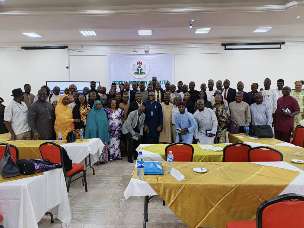
The initiative was unveiled during a stakeholders’ engagement in Abuja, where senior officials of the Federal Ministry of Health and Social Welfare, regulatory agencies, and Chief Medical Directors (CMDs) of Federal Tertiary Hospitals met to chart a new course for the management of hospital drug inventories.
Permanent Secretary of the Ministry, Daju Kachollom, mni, said the digital system forms part of government’s national strategy for supply chain management of essential medicines, designed to guarantee both availability and affordability in federal health institutions.
“Whatever we do, we must never forget our core mandate to save lives, reduce pain, and deliver health for all Nigerians. This initiative is a lifeline, and collaboration is key to making it work,” Kachollom told the gathering.
For years, Nigerian patients have been forced to bear the brunt of erratic drug supplies, with hospitals frequently running out of critical medicines, pushing families to the mercy of expensive private markets or unregulated drug sellers.
The new digital model, officials says, will help streamline drug distribution, plug leakages, curb theft and wastage, and provide real-time transparency in hospital inventory management.
Director of Hospital Services, Dr. Salaudeen Jimoh, mni, explained that the digital platform is designed not only to improve service delivery but also to drive down the cost of medicines.
“Once this system is implemented, Nigerians will begin to feel the difference. Affordability, availability, and stronger service delivery are at the heart of this reform,” Jimoh said.
Pharmacist Yakubu James, who represented the Director of the Food and Drugs Services Department, assured participants that the programme aligns fully with existing national strategies and would receive strong regulatory backing.
The initiative drew praise from the Chairman of the CMDs Committee, Prof. Eme Bassey, who lauded government’s determination but warned about the practical realities of hospital demand.
“We must ask ourselves: what happens when patients urgently require drugs, yet procurement timelines take days? Transparency is vital, but our system must also be flexible and responsive to emergencies,” he cautioned.
His remarks underscored the delicate balance between ensuring accountability in hospital supply chains and meeting urgent, life-saving medical needs.
The high point of the event was a lively interactive session, following a technical presentation by Mr. Emmanuel Okorie of Emgee Resources.
Participants, including senior ministry officials, CMDs, representatives of the Pharmacy Council of Nigeria, and other stakeholders expressed optimism that the digital model could finally end recurring medicine shortages if properly implemented.
The consensus was clear: by digitising drug inventory management, government hopes to deliver a more transparent, accountable, and efficient system, ultimately advancing Nigeria’s push toward universal health coverage.
“This is about restoring trust in our public health system. Patients should never have to worry whether life-saving medicines will be available in our hospitals,” one official said.
With stakeholders’ buy-in, the Federal Government is betting that this digital breakthrough will transform the availability and affordability of essential drugs in federal hospitals, bringing relief to millions of Nigerians long denied consistent access to basic medicines.