By Joy Odor, Abuja
The Federal Government has declared a renewed and aggressive war on cancer, pledging to overhaul prevention, research, and treatment systems to stem Nigeria’s growing cancer epidemic that kills tens of thousands every year.
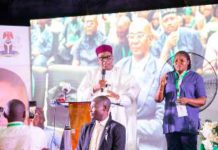
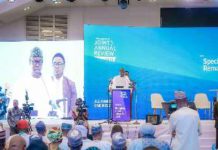
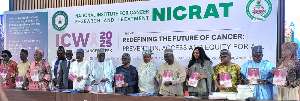
Speaking at the opening ceremony of the 2025 International Cancer Week (ICW) in Abuja, the Coordinating Minister of Health and Social Welfare, Professor Muhammad Ali Pate, reaffirmed that the administration of President Bola Ahmed Tinubu is determined to make cancer care equitable, research-driven, and accessible to every Nigerian regardless of income or location.
Represented by Dr. Salaudeen Jimoh (mni), Director of Hospital Services in the Ministry, Prof. Pate said the government is “done with rhetoric” and is now focused on tangible results through science, innovation, and collaboration.
“In Nigeria, cancer cases are rising fast and we must act,” the Minister declared. “We are prioritizing research, boosting collaboration, and ensuring that every Nigerian can access quality, affordable care. This is the beginning of the transformation in cancer care in Nigeria.”
He said the Federal Ministry of Health and Social Welfare is executing a multi-pronged strategy that aligns with the National Cancer Control Plan and the National Strategic Health Development Plan II, focusing on strengthening human resources, upgrading infrastructure, and driving research-backed interventions.
Prof. Pate described the 2025 ICW theme “Redefining Cancer Care: Prevention, Access, and the Future for All” as both timely and urgent, noting that the Federal Government is committed to reversing the “abysmally catastrophic” toll of cancer in the country.
“We must advance our understanding of cancer etiology, develop context-specific solutions for Nigeria and Africa, enhance screening and treatment capabilities, and build partnerships between researchers, clinicians, and communities,” he said.
He commended the National Institute for Cancer Research and Treatment (NICRAT) for its leadership in sustaining the annual International Cancer Week a platform that has, over two decades, evolved into Africa’s foremost convergence of cancer experts, researchers, survivors, and advocates.
Director-General of NICRAT, Professor Usman Malami Aliyu, said the institute has signed over 20 international partnerships with top institutions including Johns Hopkins University, Virginia Commonwealth University, and the European Comprehensive Cancer Centres to boost clinical research and training.
Aliyu unveiled a new initiative — Strengthening Institutional Capacity for Cancer Research and Implementation in Nigeria (SINCAD), which will provide ₦10 million seed grants per project to researchers across the country’s six geopolitical zones.
He also announced that NICRAT had launched the Nigerian Cancer Genome Study, a groundbreaking project focusing on mutation analysis and genetic variants to drive precision oncology and personalized medicine in Nigeria.
“We are redefining how Nigeria approaches cancer research,” Aliyu said. “From prevention to precision medicine, our aim is to build Africa’s strongest cancer science ecosystem.”
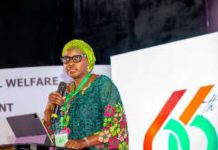
In a passionate message, Dr. Zainab Shinkafi-Bagudu, President-elect of the Union for International Cancer Control (UICC), warned that Nigeria’s war against cancer will fail without massive public awareness and early detection campaigns.
“Research is important, but awareness is the greatest low-hanging fruit,” she said. “Until we diagnose cancer earlier, we will not benefit from the research or the new drugs emerging globally.”
Dr. Shinkafi-Bagudu, who also leads the Medicaid Cancer Foundation, praised NICRAT for organizing “the most successful opening” of the International Cancer Week yet and saluted survivors for their courage and resilience.
She decried the rising number of late-stage cancer diagnoses in Nigeria, urging government and civil society to break the cycle of stigma, ignorance, and delayed treatment.
“Every day, I receive messages from women urban and rural battling advanced cancer. The pain is enormous. We must invest more in awareness, early screening, and inclusion in global research,” she said, lamenting that only two percent of the global cancer genome database represents African populations.
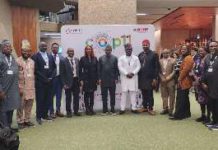
The week-long event drew global oncology experts and policymakers, including Professor Anuja Dhingra of the Anderson Cancer Center (USA), Dr. Xavier Sinclair, President-elect of the UICC, and Professor Ifeoma Okoye, Chair of the 2025 ICW Local Organizing Committee, who was lauded for her “superlative coordination.”
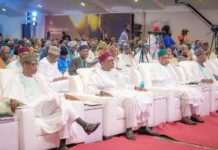
Also in attendance were the First Lady of Imo State, Barrister Chioma Uzodinma, members of the National Assembly Committees on Health, and leading cancer researchers from across Africa, Europe, and the Americas.
The Bottom Line:
Nigeria is drawing a red line in its battle with cancer. From research funding to early screening and global partnerships, the message from Abuja is clear the era of silence and slow response is over.
As Professor Pate declared: “Cancer is tough, but Nigerians are tougher. Together, we can win this fight.”