By Joy Odor
The International Press Centre (IPC), has hosted a webinar focused on “lmperative of Safety Consciousness and Conflict Sensitivity in Media Coverage” to enhance the capacity of journalists on the professional reporting of issues of governance, democracy and development.
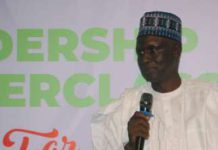
Addressing the participants, The Executive Director of IPC, Mr Lanre Arogundade said the key objectives are to strengthen the capacity of the media to engage in the professional, ethical, issue-oriented, gender-sensitive, inclusive sensitive and conflict sensitive reporting of the electoral processes and elections.
He added that the webinar is being held under the overarching framework of the European Union Support to Democratic Governance in Nigeria (EU-SDGN), the component 4b: Support to Media, of which IPC has been implementing since the past three years.
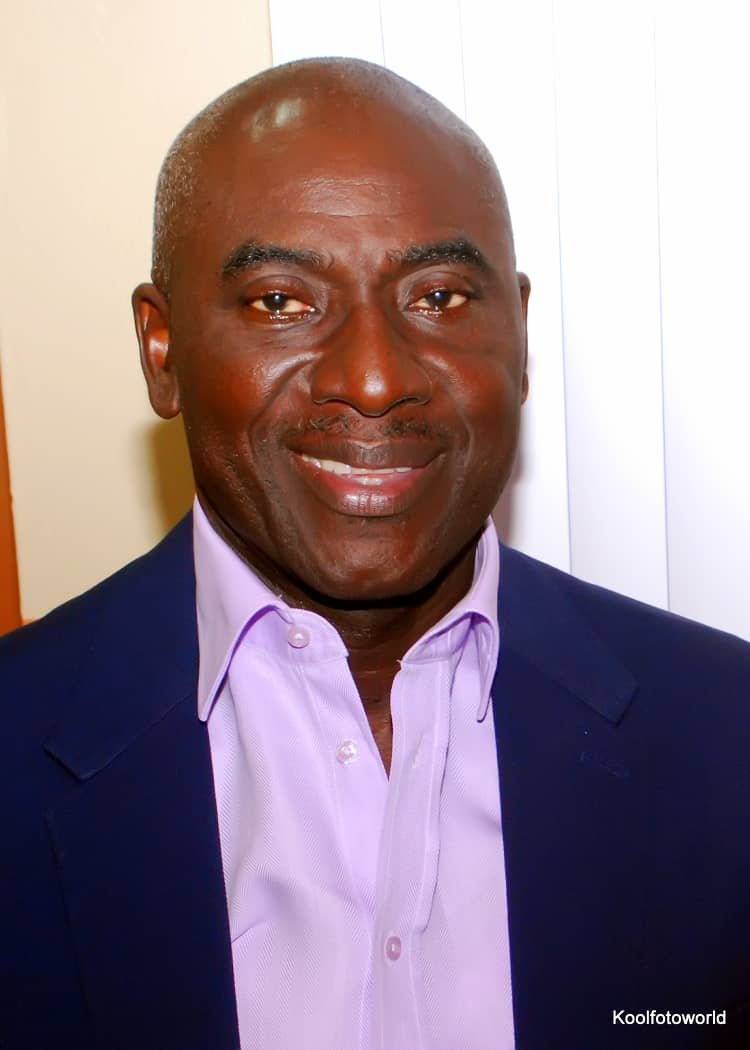
According to him, it is also in furtherance of the partnership and collaboration between the International Press Centre (IPC) and the Association of Communications Scholars and Professionals of Nigeria (ACSPN).
“Pursuant to the objectives, we’ve held series of activities including trainings for journalists and publication of resource manuals prior to the 2019 elections.
“The engagements with the media have also continued post the general elections and that was why few weeks ago we organised separate training webinars for journalists in Edo and Ondo States on issue-focused and ethical/professional reporting of the Governorships elections in the two states on September 19 and October 10, respectively.
“But we have chosen to organise this one with a specific focus on the imperative of safety consciousness and conflict sensitivity in Media Coverage of the two elections because of the prevailing circumstances in the two states.
“In the area of safety we are looking at how journalists could avoid getting in harm’s way in the course of their legitimate duties amid the general concern that the elections could turn violent as pockets of violence are already being recorded here and there particularly in Edo state.
“We are also looking at how journalists could ensure their health safety in view of the fact that the two elections are taking place under the prevailing Covid-19 pandemic. In the area of conflict sensitivity, we are looking at how journalists could contribute to the peaceful conduct of the elections by embracing the principles and guidelines of conflict-sensitive journalism.
“This is why the presentations by our distinguished speakers – Mrs. Melody Lawal, Programme Officer (Safety of Journalists), Dr. Clinton Okonye, Caleb University and Dr. Ruqqayah Aliyu, Bayero University, Kano – will respectively touch on: ‘Situational scan on journalists’ safety issues in Nigeria: What journalists in Edo/Ondo should know’; Election Coverage Under Covid-19 Rules: Addressing issues of Journalists’ Personal Safety’ and Electoral Conflict and Mddia Coverage: The Need for Conflict Sensitive Reporting in Edo/Ondo Elections’. We thank all of them for accepting to undertake the important responsibility.
“On this note, I particularly welcome Professor Umaru Pate, Dean of School of Postgraduate Studies of Bayero University, Kano, who is having his first official outing today as the President of ACSPN having just be elected to the position during the Association’s conference and AGM on Thursday September 3, 2020” he said.
The IPC Executive Director urged journalists in the two states and elsewhere to read and digest the Resource Manual on Elections and Democratic Accountability and the Nigerian Media Code of Election Coverage, both of which have also been published as part of the implementation of component 4b: Support to Media of EU-SDGN.
He noted that both publications have chapters or sections that deal extensively with details of how journalists could be conflict-sensitive, avoid hate speech and be personal-safety-sensitive in the coverage and reportage of elections.
Mr Arogundade reminded journalists that their main duty during elections are to relay the information that citizens will require to make informed choices.
He was of the opinion that it is also a duty all must not abdicate but have to undertake with the utmost sense of professional responsibility to set the appropriate pubic interest agenda as far as elections in Edo and Ondo states are concerned.