By Joy Odor Abuja
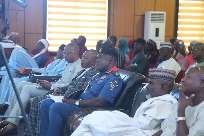
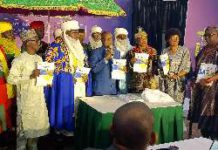
The 5th West African Mining Host Communities Indaba opened in Abuja with a thunderous call for justice, equity, and accountability in the face of rising global demand for West Africa’s minerals.
Delivering a powerful welcome address, Abiodun Baiyewu, Executive Director of Global Rights, warned that the rush for lithium, cobalt, bauxite, and other “green minerals” must not come at the cost of human dignity, environmental devastation, and mass displacement of host communities.
“Zamfara’s children were the cost of gold mining. Wealth that never transformed their lives or their state,” she recalled, narrating how she and Activist Adamu Kotokorshi once watched children die of lead poisoning while politicians bickered. Similar tragedies, she noted, continue to plague Kogi, Gombe, Ebonyi, Osun, and mining communities across West Africa.
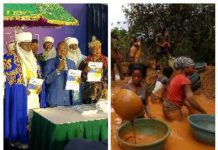
Baiyewu condemned a long history of exploitation: poisoned rivers, devastated lands, lost livelihoods, and lives cut short while mining profits enriched corporations and political elites.
From Zamfara to the Niger Delta, from Kogi to Liberia, she said, “the names of the communities may differ, but the challenges remain the same.”
This year’s Indaba, themed “The Intersection of Green Mining and the Right to Free, Prior and Informed Consent (FPIC)”, is demanding that communities be treated not as passive victims but as equal stakeholders in determining how their resources are extracted and how benefits are shared.
“The promise of a greener world must not come at the expense of the people whose heritage is being traded under the guise of a just energy transition,” Baiyewu declared, warning that without FPIC, the push for renewable energy risks repeating old patterns of exploitation.
As world leaders gather in New York for the UN General Assembly to discuss peace, development, and human rights, Baiyewu noted that the most critical voices mining host communities remain excluded from global decision-making tables.
The Indaba, now in its fifth year, has become a rallying point for communities across Nigeria and West Africa to craft their own agenda, demand accountability, and shape the policies that govern mining.
Over the coming days, the gathering will host grassroots leaders, policymakers, civil society, and regional advocates to debate how to align the clean energy transition with justice and human rights.
“Let this gathering not only be a forum for dialogue but a catalyst for collective action where communities stand at the center, their consent honored, their rights protected, and their futures safeguarded.”